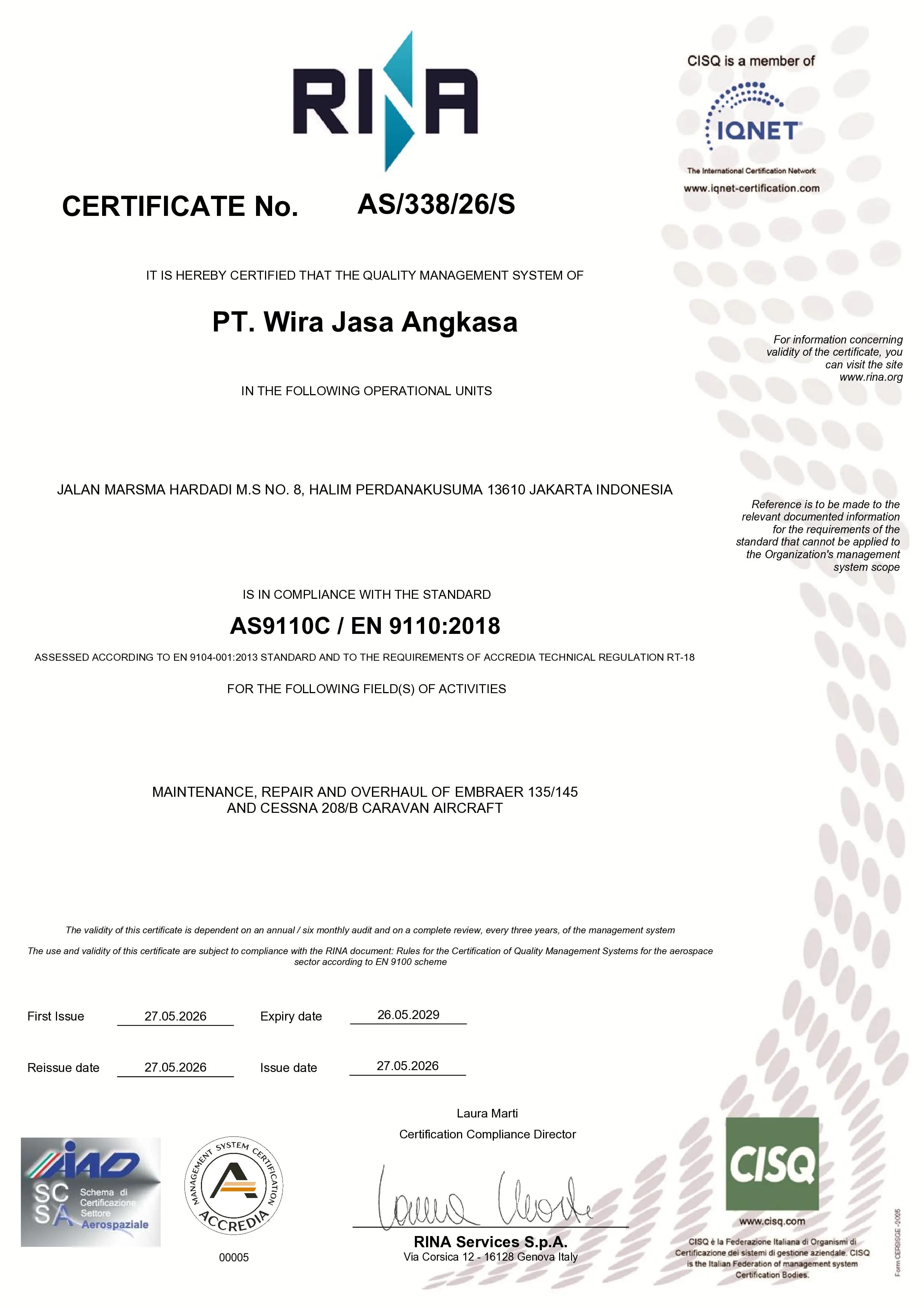
WJA (MRO)

 WJA (MRO)
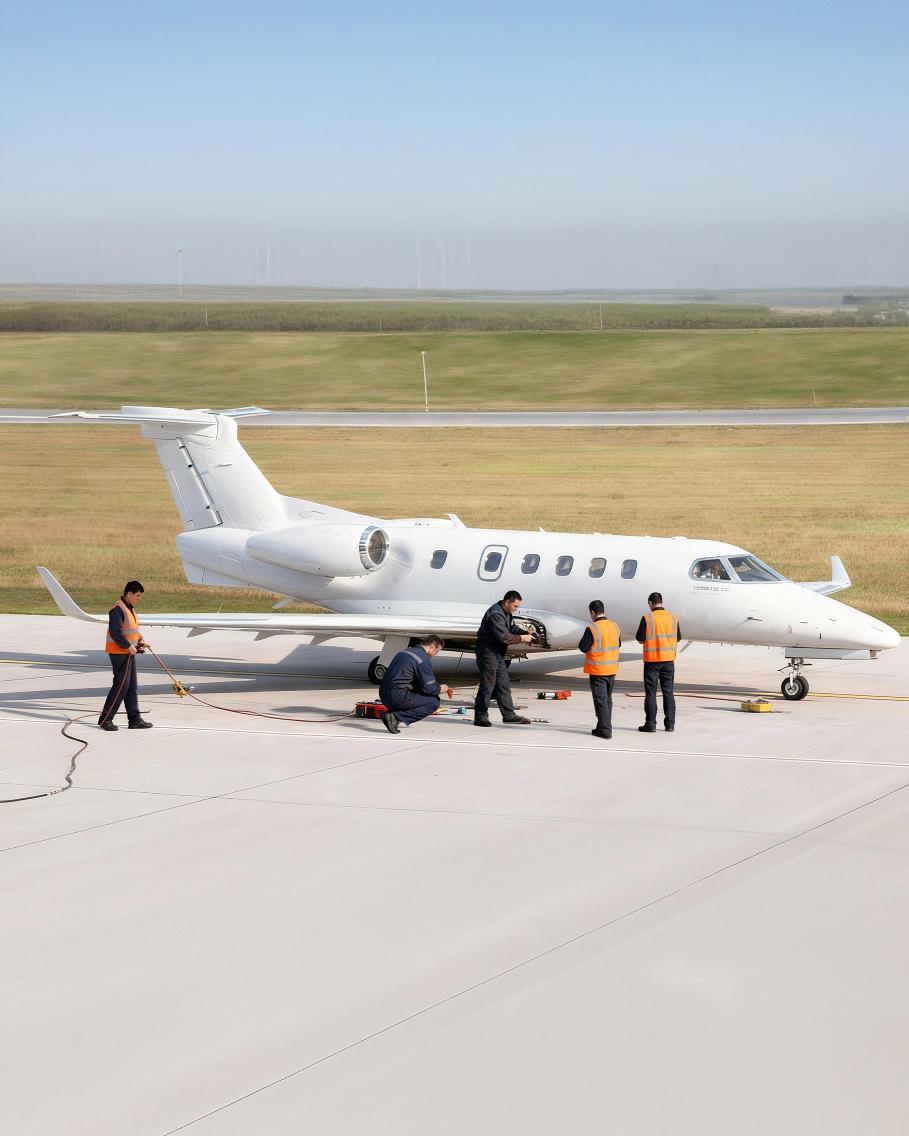
Scheduled aircraft inspections are routine checks (light, medium, heavy) required by FAA and EASA to keep aircraft airworthy. WJA MRO at Halim Perdanakusuma, Jakarta, provides them with certified engineers and integrated hangar facilities.
Every flight relies on one critical foundation: the reliability of its aircraft. To keep aircraft operations safe, efficient, and compliant with global standards, routine aircraft inspections are a must. These scheduled checks are more than just regulatory requirements, they are proactive measures that help identify potential issues before they turn into costly repairs or safety risks. With the right inspection program, operators can ensure smoother operations, reduced downtime, and long-term savings for their fleets.
This article explains the importance of regular aircraft inspections, the different types of checks (light check, medium check and heavy check), and how regulatory compliance support safe flight operations. It also highlights the advanced facilities of WJA MRO at Halim, the tools and technology used by certified engineers, and how efficient scheduling can help minimize downtime. Real-life examples show how early detection prevents major safety issues.
Aircraft routine inspections are a cornerstone of aviation safety. These inspections ensure that every component of an aircraft, from its engines to its avionics, operates reliably and complies with strict safety and procedure standards. Without them, airlines and operators face increased risks of technical failures, costly repairs, and potential safety hazards.
Aircraft inspections are categorized into three main types:
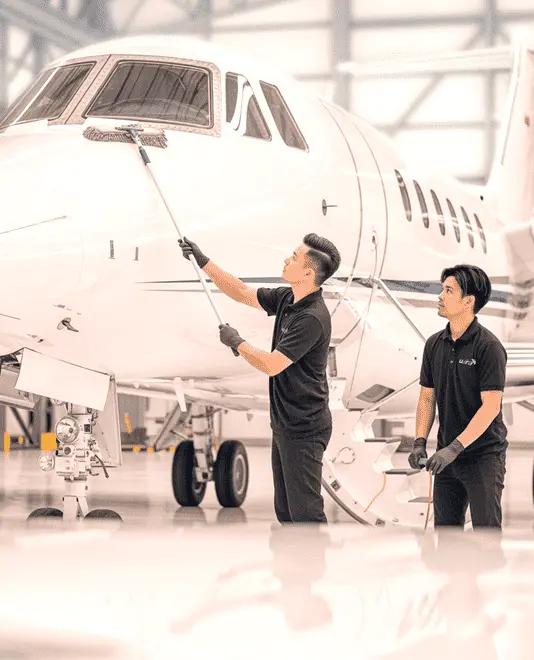
Performed approximately up to 400 flight hours in monthly/yearly period. Covers visual checks, fluid levels, and basic system functional testing.
Conducted every 24 months interval and aircraft will be grounded for several days, including more detailed inspections of key systems and minor component replacements; structural check and some system might be due for overhauls .
The most comprehensive inspection, conducted every 6–10 years. It involves complete disassembly and inspection of the aircraft essentially a full overhaul.
Global aviation authorities such as the FAA (Federal Aviation Administration) and EASA (European Union Aviation Safety Agency) mandate these checks to ensure operational safety. Compliance with these regulations is not optional; it is a legal requirement that protects passengers, crew, and cargo.
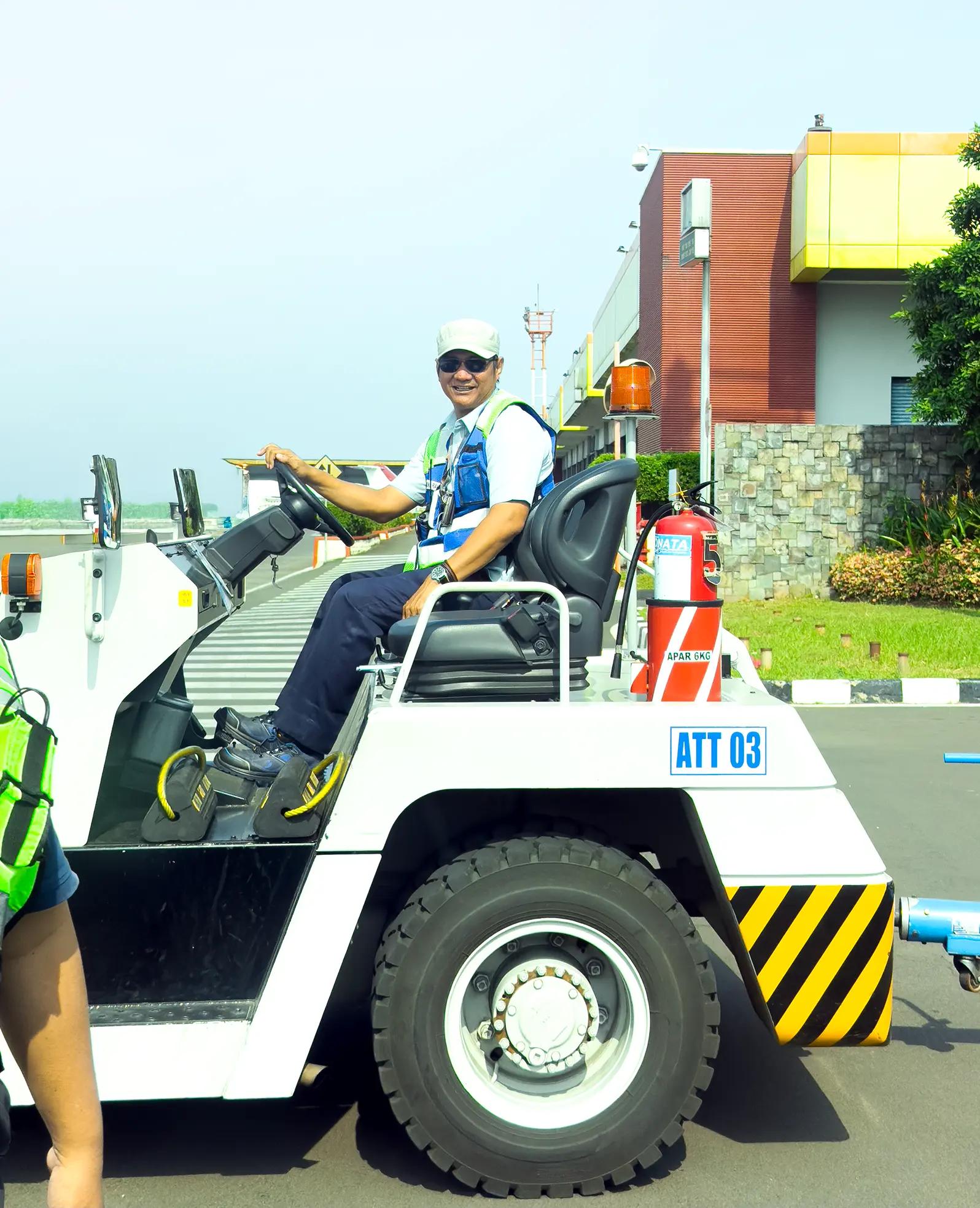
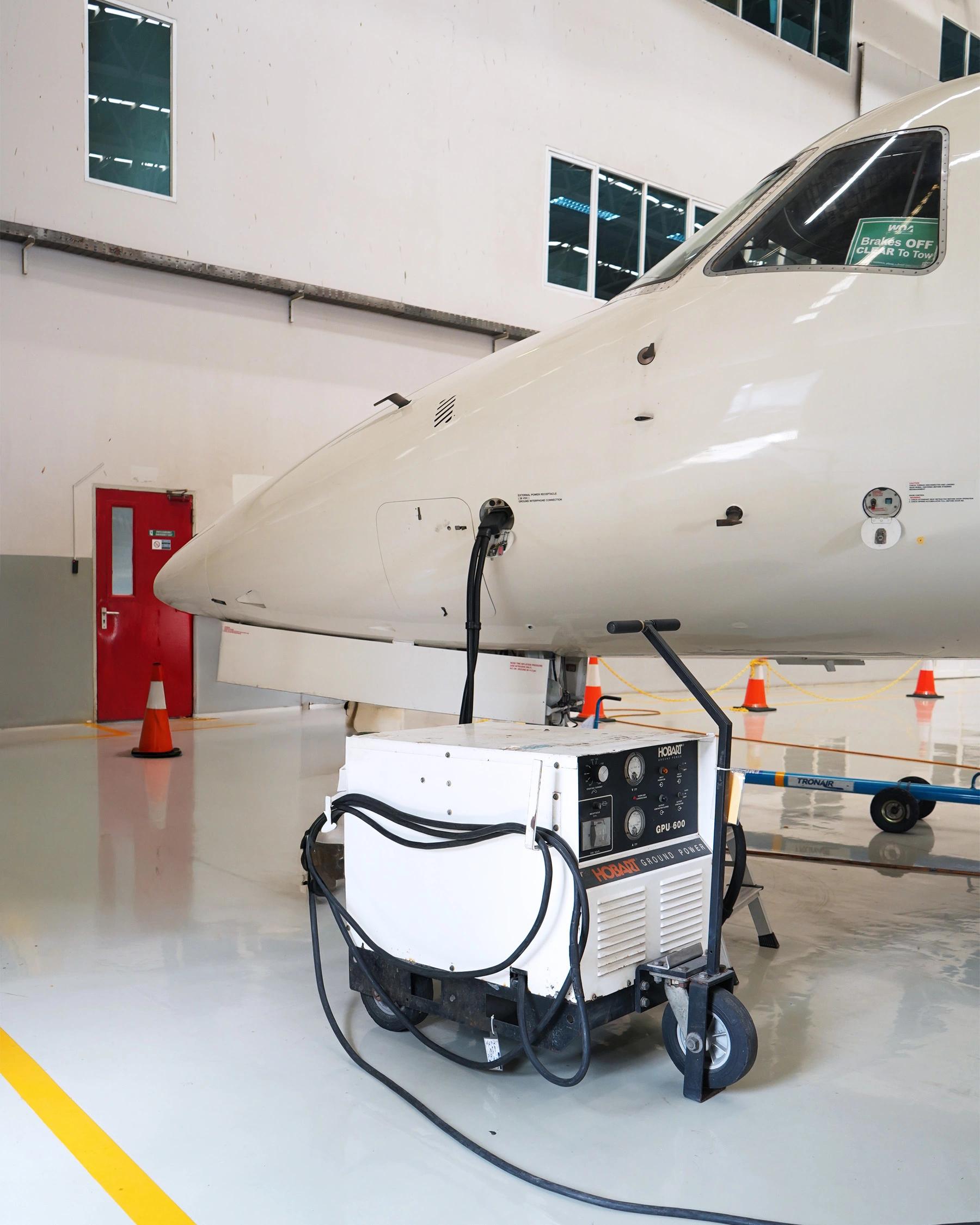
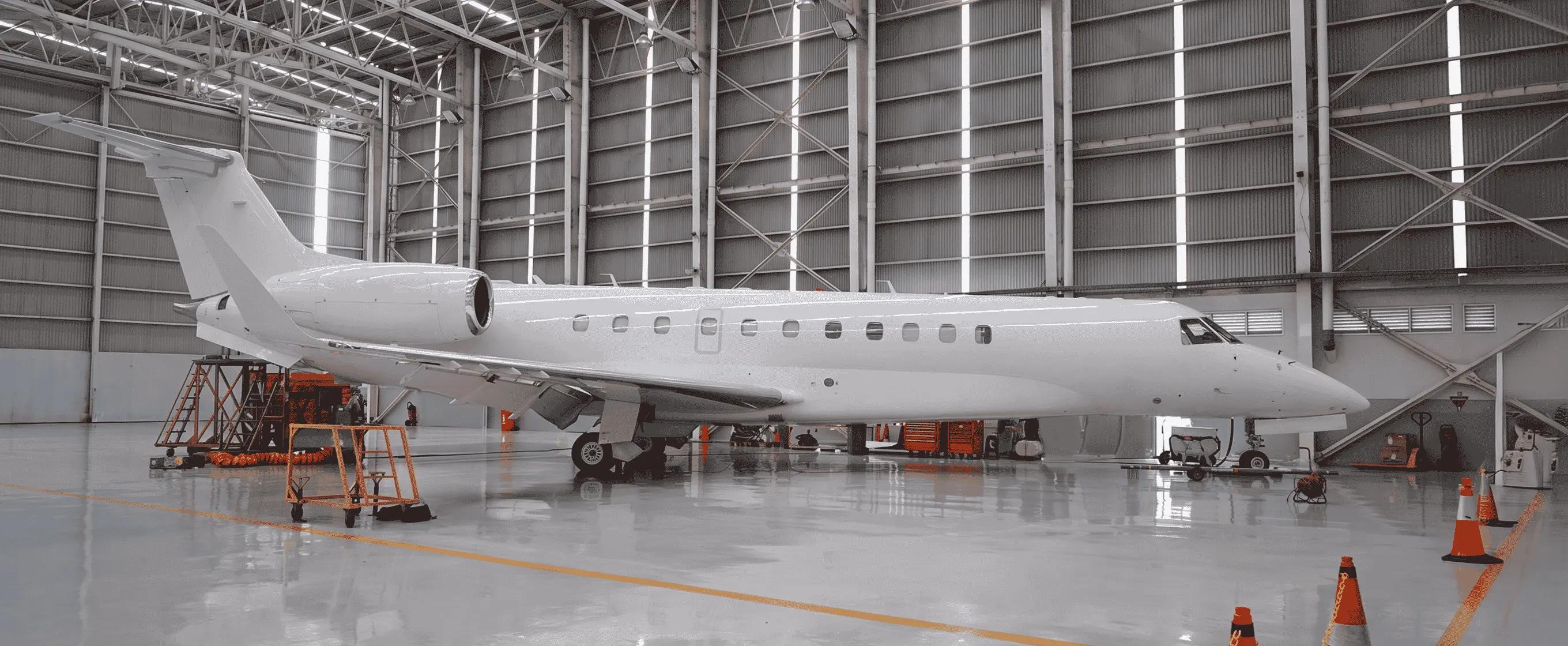
At WJA MRO’s facility in Halim Perdanakusuma, operators gain access to world-class inspection services. Strategically located in Jakarta, the facility is designed to serve both domestic and international operators with hangars, bonded warehouses, and advanced maintenance bays.
Modern inspections rely on cutting-edge tools such as borescopes for internal engine checks, non-destructive testing (NDT) equipment, and digital monitoring systems. These technologies allow engineers to detect hidden issues before they escalate into major problems.
Aircraft downtime is costly. WJA MRO prioritizes efficient scheduling by aligning inspections with an operator’s flight schedule, reducing unnecessary grounding. This ensures that aircraft return to service quickly without compromising safety or quality.
The integration of bonded warehouses with inspection facilities streamlines spare parts availability. With parts on-site and ready for use, delays are minimized. Combined with hangar space that accommodates various aircraft types, this creates a seamless maintenance ecosystem.
WJA MRO’s team consists of certified engineers with international licenses, supported by strict quality control procedures. Every inspection follows globally recognized safety standards, ensuring consistent reliability and performance.
Routine inspections are not just a formality, they often serve as the frontline defense against potentially catastrophic failures. By systematically checking every component of an aircraft, engineers can identify small irregularities before they escalate into major problems.
For example, microcracks in turbine blades may seem insignificant, but under extreme heat and pressure, they can expand rapidly and cause serious engine damage. Detecting these cracks early allows operators to repair or replace parts at a fraction of the cost of a full engine overhaul. Similarly, inspections often reveal corrosion in landing gear components, which, if ignored, could compromise structural integrity during takeoff or landing. Addressing such issues early not only ensures passenger safety but also prevents expensive downtime.
Other recurring problems discovered during routine checks include wiring wear in avionics systems, hydraulic leaks, and cabin pressurization faults. Each of these issues, if left unchecked, could lead to flight delays, unscheduled groundings, or even emergency landings events that disrupt schedules and increase operating costs. By catching these safety risks early, inspections transform what could have been a crisis into a manageable maintenance task. This proactive approach safeguards lives, protects reputations, and demonstrates why scheduled aircraft inspections remain indispensable in modern aviation.
Far from being just a regulatory burden, scheduled inspections actually lower operational costs. By addressing issues early, airlines avoid expensive unscheduled repairs, reduce fuel inefficiency from worn components, and extend the aircraft’s operational lifespan.
As a trusted partner, we provides world-class scheduled inspection services, supported by modern facilities, certified engineers, and full integration with bonded warehouses and hangars. Don’t let minor issues escalate into costly crises. Contact WJA MRO today to ensure your fleet remains safe, efficient, and always ready to fly.
Share this information